
The Presentation of Your Printed Materials
Matters More Than You Think.
- AAA Print Marketing
- 5 Min Read

You’ve invested time and money into your business. Your branding is consistent, your logo looks sharp, and your copy is polished. But when your printed materials land in a client’s hands, what do they actually feel?
The weight of the paper. The finish on the cover. Whether the document lies flat on the desk or flops awkwardly to one side. Whether the binding holds everything together beautifully or pops open at the spine.
These details might seem minor, but they communicate something powerful: how much you care about your work. And in business, that impression can be the difference between winning a client and losing one.
This guide walks you through why print presentation matters, what binding and finishing options are available, and how to make smart choices that reflect the quality of your brand.
First Impressions Are Made Before a Single Word Is Read.
Research consistently shows that people form first impressions within seconds. A study published in Psychological Science (Willis & Todorov, 2006) found that judgements about competence and trustworthiness are made almost instantaneously, and those initial reactions are remarkably resistant to change.
Your printed materials work the same way. Before a potential client reads your proposal, they hold it. They feel the paper. They notice whether the cover is crisp or curled. They register whether the binding feels solid or flimsy. All of that happens before they’ve read a single sentence.
In a world where so much communication has moved online, printed materials carry a premium. They signal investment and intentionality. But that signal only works when the execution matches the message.
What Does "Print Presentation" Actually Mean?
Print presentation refers to every physical and visual element of a printed document beyond the content itself. It includes:
Paper quality and weight: heavier stocks feel more substantial and premium. A 350gsm cover stock on a saddle stitched booklet communicates something very different from a flimsy 80gsm sheet.
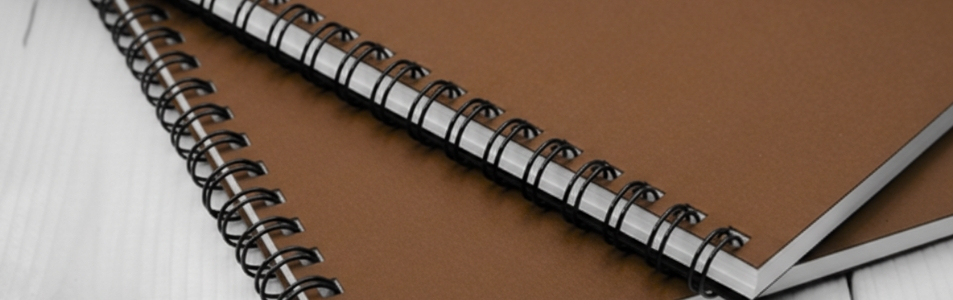
Binding method: the way your document is held together affects both aesthetics and function. A wire bound manual lies flat and stays open. A perfect bound catalogue looks like a professional publication. A comb bound internal report is practical and easy to update.
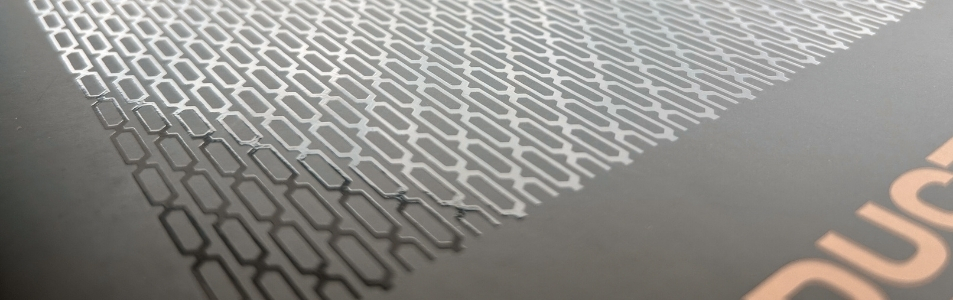
Finishing options: lamination, spot UV coating, foiling, and embossing all add layers of tactile and visual impact that elevate the final product.
Consistency: the way all of these elements work together in service of your brand.
Each of these choices sends a signal. The question is whether that signal is intentional.
Why Binding Deserves More Attention Than It Gets.
Most people think about binding as an afterthought. It’s the last step before documents leave the printer. But binding is actually one of the most functional and expressive choices you’ll make in the print process.
The right binding method does three things at once: it holds your document together physically, it determines how the document is used, and it shapes how the document is perceived.
The Functional Side of Binding.
Consider a training manual that staff will refer to repeatedly during a busy shift. If it’s perfect bound, the spine may crack after a few weeks of heavy use, and pages can become loose. If it’s wire bound, it lies completely flat on a workbench, pages rotate a full 360 degrees, and it survives months of handling without complaint.
Or consider a proposal you’re presenting to a new client. A saddle stitched booklet might feel too casual. A comb bound document might look too internal. A perfect bound report with a laminated cover signals that you’ve invested in this pitch, and that you take the client’s business seriously.
Functionality and perception are inseparable when it comes to binding.
The Aesthetic Side of Binding.
Wire binding and plasticoil binding both allow pages to lie flat and rotate fully, but they communicate different things. Wire binding has a polished, professional look that suits technical manuals, cookbooks, and reference guides. Plasticoil is slightly more casual and comes in a wider range of colours, making it a good fit for presentations, student workbooks, and calendars.
Perfect binding creates a clean squared edge and a printable spine, making your document look like a commercially produced publication. It’s ideal for catalogues, annual reports, and thick manuals where shelf presence matters.
Saddle stitch is economical and practical for shorter publications: newsletters, thin catalogues, programmes, and brochures. Tape binding sits somewhere in between, offering a neat professional finish for reports and proposals without the cost of more complex methods.
For a full breakdown of each binding type and what it suits best, take a look at our detailed guide to binding types.
How Print Quality Reflects Brand Quality.
There’s a concept in consumer psychology called the “halo effect,” first described by psychologist (Edward Thorndike) in 1920. It describes the tendency to allow one positive attribute to positively influence our overall perception of a person or product.
In print, quality has a powerful halo effect. When someone receives a beautifully presented document, they’re more likely to assume the business behind it is competent, trustworthy, and detail oriented. When they receive something poorly produced, the reverse applies, regardless of the quality of the content inside.
A study by Millward Brown for Kantar (2015) found that physical materials leave a deeper footprint in the brain than digital media, activating more areas associated with memory and emotion. Print is processed more slowly and more deeply than digital content. When the physical quality of that print is high, the impression it leaves is proportionally stronger.
This matters enormously for businesses investing in catalogues, proposals, training materials, annual reports, and marketing collateral. The content earns attention. The presentation earns trust.
Common Print Projects and the Presentation Choices That Elevate Them.
Proposals and Tenders
A proposal represents your business at its most persuasive. It’s often the document that decides whether you win or lose a contract. Presentation choices matter enormously here.
A perfect bound proposal with a gloss or matte laminated cover looks polished and deliberate. The lamination protects the cover during handling and adds a professional tactile quality. If budget allows, a spot UV coating on the cover can highlight your logo or key imagery with a subtle sheen that catches the light.
For shorter proposals of under 40 pages, tape binding offers a clean and professional alternative that is cost effective without compromising appearance.
Catalogues and Product Guides
Catalogues are often the primary tool your sales team uses to represent your range. They’re handled frequently, passed between people, and sometimes kept for reference over months or years.
Perfect binding is the standard choice for thick catalogues, creating that bookshelf ready appearance and a printable spine for easy identification. Saddle stitch works well for thinner seasonal catalogues or smaller product ranges.
Paper weight matters enormously here. A catalogue printed on lightweight stock will feel insubstantial and may not survive extended use. A heavier coated stock not only protects the document but makes colours appear richer and more vibrant.

Training Manuals and Reference Guides
Documents that staff refer to repeatedly need to be built for practical use. Wire binding or plasticoil binding are the clear choices here, as both allow the document to lie flat and open to any page without being held.
Durability is the priority. A laminated cover adds protection, and a heavier paper weight will withstand repeated handling without the pages wearing at the edges or becoming transparent from oils on the hands.
Consider also whether the document will need to be updated over time. Comb binding is particularly practical for documents like price lists, policy manuals, and procedure guides, as the binding can be reopened to add, remove, or replace pages.
Reports and Annual Documents
Annual reports and formal business documents carry significant weight. They’re often presented to boards, investors, government bodies, or major clients. The presentation should reflect that significance.
Perfect binding, a heavy cover stock, and either a gloss or soft touch matte lamination creates a document that feels genuinely impressive in the hands. If budget allows, foiling on the cover can add a premium detail that elevates the document from professional to exceptional.
The Role of Paper in Presentation.
Binding gets a lot of attention, but paper choice is equally important. The weight, texture, and coating of paper affects not just how a document looks but how it feels, and that tactile experience is a direct input into how the document is perceived.
Paper weight is measured in grams per square metre (gsm). Standard office paper is typically 80gsm. A professional printed document will generally use 100 to 150gsm for internal pages and 300 to 400gsm for covers. The heavier the paper, the more substantial the document feels.
Coated vs uncoated stock affects the finish and how ink is absorbed. Coated stocks produce sharper, more vibrant images and are standard for catalogues and marketing materials. Uncoated stocks have a natural, tactile feel that suits certain brand aesthetics, particularly for businesses wanting to communicate warmth, sustainability, or a handcrafted quality.
Texture can be an additional tool. Linen, laid, or felt finish papers add a distinctive tactile quality that can make a document feel genuinely special.
Finishing Options That Make a Difference.
Once you’ve chosen your binding and paper, finishing options can take your printed materials to the next level.
Lamination is available in gloss (bright and vibrant), matte (elegant and non reflective), and soft touch matte (a velvety finish that feels luxurious). Lamination protects covers from scratching and moisture as well as adding visual impact.
Spot UV coating applies a clear high gloss varnish to selected areas of a printed surface. It’s often used to highlight logos, images, or key text, creating a visual and tactile contrast that draws the eye.
Foiling applies a metallic or coloured foil to the surface, typically on covers or business cards. Gold, silver, and copper foiling communicate premium quality and are particularly effective for professional services, hospitality, and luxury brands.
Embossing and debossing create a raised or recessed impression in the paper or card. Like foiling, these techniques signal craftsmanship and attention to detail, and they create a tactile quality that is impossible to replicate digitally.
Not every document needs these options, but knowing they exist means you can deploy them strategically, reserving the premium touches for the materials that matter most.
Practical Takeaways: Getting Print Presentation Right.
Here are the key actions to take away from this guide.
Match the binding to the purpose. Ask yourself how the document will be used before choosing a binding method. Will it need to lie flat? Will it be updated? Does it need shelf presence? The answers will point you to the right method.
Don’t underestimate paper weight. Upgrading from 80gsm to 120gsm or 150gsm for internal pages makes an immediate and noticeable difference to how a document feels. It’s often one of the most cost effective upgrades available.
Use lamination as standard on covers. A laminated cover is not a luxury. It protects the document and adds a professional finish that most clients and stakeholders will notice, even if subconsciously.
Reserve premium finishes for high impact materials. Foiling, spot UV, and embossing are best deployed selectively on documents where the impression truly matters: proposals, annual reports, premium catalogues, and materials that represent your brand at its best.
Brief your printer properly. The more clearly you communicate the purpose and audience of a document, the better your printer can advise on the right options. A good print partner is a strategic collaborator, not just a production facility.
Think about the whole experience. From the moment someone picks up your printed material to the moment they set it down, every physical detail contributes to their impression of your business. Approach print with the same intentionality you bring to your digital presence.

Working With a Print Partner Who Understands Presentation.
At AAA Print Group, we’ve been helping Western Australian businesses produce printed materials that make an impression for nearly 50 years. Whether you’re producing a handful of premium proposals or thousands of product catalogues, we bring that experience to every project.
We’re always happy to talk through your options, recommend the right binding and finishing choices for your specific needs, and help you produce materials you’re genuinely proud to put in front of clients.
Request a quote or call us on 08 9456 0046 to get started.
Let’s Work Together.
Backed by nearly 50 years of industry experience, we’re ready to support your business with strategic solutions designed to make an impact.
Our Clients.









































































Ready to Find the Right Print Solution for Your Business?
Take your business further with print solutions that work. Contact us today to see how we can boost efficiency, safety, and brand impact.